
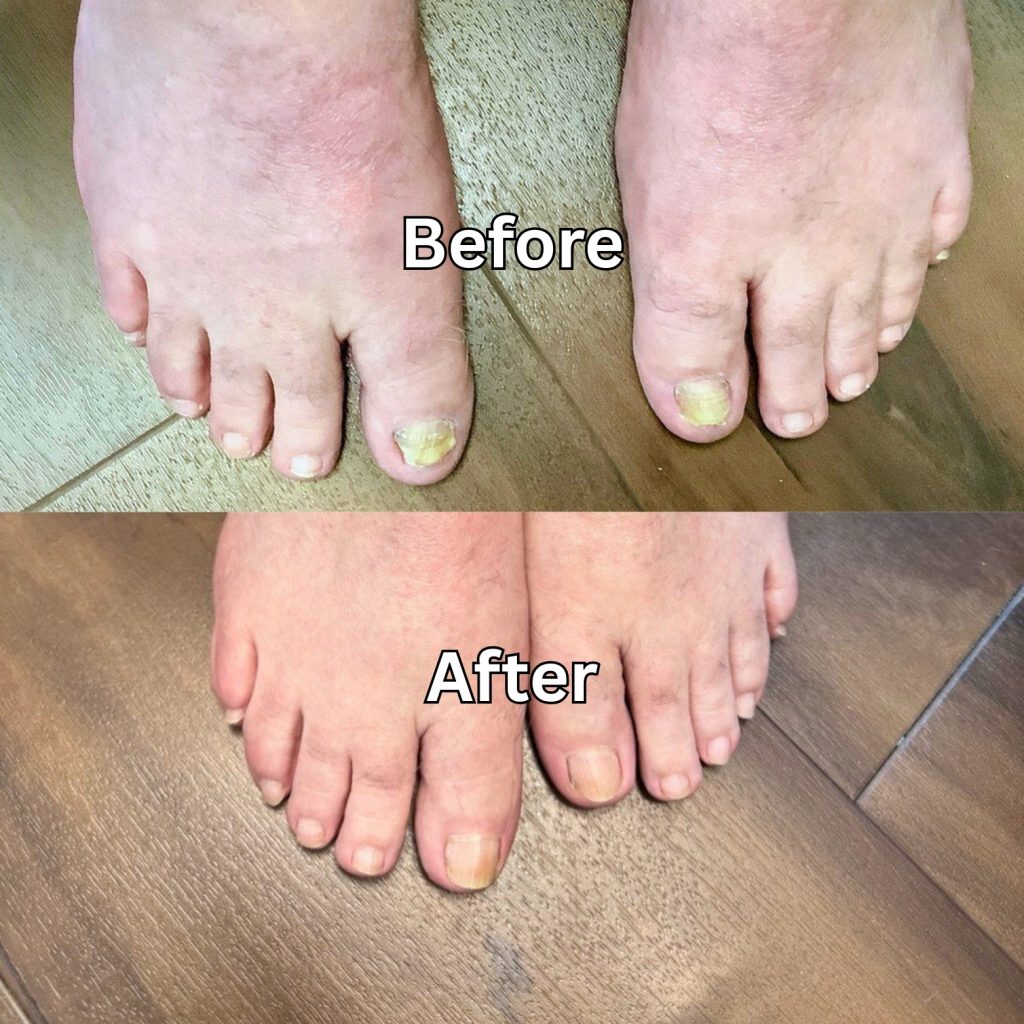
Keratin granulation may sound alarming, but it’s a common and harmless skin condition. It often appears after removing gel nail polish or other occlusive nail treatments, presenting as rough, white patches on the nail surface.
Choosing the right treatment ensures your nails heal quickly and prevents further damage.
Understanding your symptoms, identifying the cause of the issue, and avoiding incorrect treatments are essential steps. Whether you’re managing it at home or consulting with a professional, the goal is to restore healthy, smooth nails without making the condition worse.
Here’s how you can choose the most effective treatment for keratin granulation.
Identify the Cause of Your Nail Damage
To treat keratin granulation effectively, it’s important to understand what triggered it.
Recognizing these habits helps you avoid them and supports faster recovery. Without eliminating the root cause, treatments may only offer temporary relief.
Opt for Gentle Nail Care Products
Once you’ve identified the cause, switch to products that promote healing and avoid further damage.
Gentle care promotes a healthier nail bed and reduces irritation. This step is key to reversing keratin granulation and restoring a smooth surface.
Give Your Nails a Break from Polish
Letting your nails breathe is often one of the most effective treatments.
Allowing natural healing time without polish helps the keratin layers rebind. Patience is crucial during this phase, even if the white patches seem unsightly.
Know When to See a Dermatology Professional
Sometimes keratin granulation mimics other nail disorders, so professional guidance may be necessary.
Dermatologists can recommend prescription treatments or in-office therapies if needed. A professional evaluation ensures you’re not mistaking keratin granulation for more serious conditions like nail psoriasis or leukonychia.
Keratin granulation can usually be treated with simple, consistent care and a break from harsh nail routines. Understanding its causes, using gentle products, and giving your nails time to recover are effective steps.
But if symptoms persist, a visit to a trusted dermatology clinic like Dermatology Solutions Texas can provide peace of mind and expert support.